
Buying or Selling Farm & Ranch Land in Lubbock and the South Plains
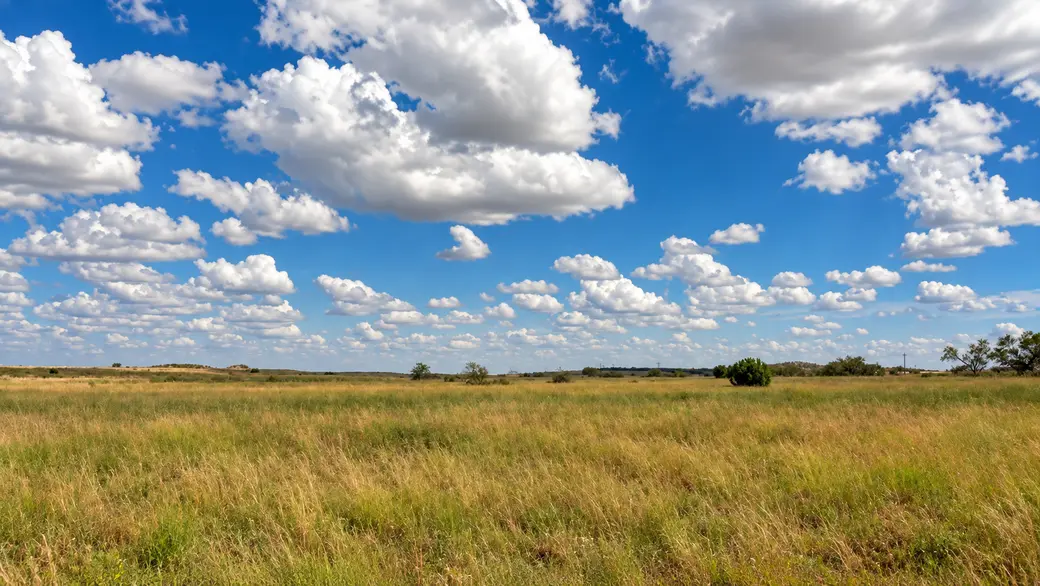
Investing in Land, Agriculture and the Future of West Texas
Drive outside Lubbock in almost any direction and it doesn't take long for the city to give way to something that has defined this region for generations: land.
Cotton fields stretch toward the horizon, cattle graze across pastures, and farms and ranches that have supported West Texas families for generations continue to play an important role in our economy and way of life. For buyers, farm and ranch land can also offer something increasingly difficult to find: a tangible asset with agricultural, investment, recreational and lifestyle value.
Whether you're an established producer looking to expand, an investor wanting to diversify, a first-time landowner, a hunter looking for your own property, or simply someone who wants a place in the country, there are plenty of reasons to consider owning land in the Lubbock and South Plains area.
Agriculture Is Part of the South Plains Economy
Agriculture isn't just part of our heritage—it's still big business. According to the USDA's 2022 Census of Agriculture, Lubbock County had 1,286 farms encompassing approximately 465,867 acres, including more than 361,000 acres of cropland. Texas A&M AgriLife estimated that production agriculture generated approximately $325.9 million in economic output in Lubbock County during 2024, supporting nearly 2,000 jobs when broader economic effects were included.
Lubbock also sits at the center of one of America's important cotton-producing regions. Texas A&M estimates that the Southern Ogallala region produces more than 22% of U.S. cotton annually. Buying agricultural land here means participating in an industry deeply connected to the history and economy of the South Plains.
Land Can Be Both Productive and an Investment
One of the attractions of farm and ranch real estate is its versatility. An established producer may purchase neighboring acreage to expand an operation. Another buyer might acquire farmland and lease it to a local farmer. Ranch property can potentially generate grazing income, while some properties may also provide hunting or recreational lease opportunities.
At the same time, the owner retains the underlying land as a long-term asset. Texas rural land has experienced substantial appreciation over the past several years, although values do fluctuate. The Texas Real Estate Research Center reported a statewide rural land price of approximately $5,218 per acre during the second quarter of 2026, while the Panhandle-South Plains regional average was considerably lower.
Those regional averages shouldn't be used to value an individual property. An irrigated farm near Lubbock, dryland acreage, improved ranch property and recreational land can have very different values. That's why rural property should be evaluated based upon the land itself, not simply a regional price-per-acre figure.
You Don't Have to Be a Full-Time Farmer
Owning agricultural land doesn't necessarily mean personally operating it. Depending upon the property, an owner may be able to lease farmland to an established producer or lease pasture for grazing. Some properties can also provide hunting or other recreational opportunities.
For someone who does want to begin farming or ranching, purchasing a smaller tract can provide an entry point. Texas A&M's Real Estate Research Center reports that smaller tracts have represented roughly 55% to 60% of annual Texas rural land sales over the past decade, attracting agricultural operators, investors, recreational buyers and families seeking rural homesites. You don't have to start with thousands of acres. Sometimes 40, 80 or 160 acres is where the story begins.
Hunting, Recreation and Simply Getting Away
Not every benefit of land ownership appears on a financial statement. Texas Parks & Wildlife reports that more than 95% of Texas land is privately owned or managed, making private property particularly important for hunting access.
Depending on location and habitat, South Plains properties can offer hunting and wildlife-management opportunities. Other buyers simply want room for horses, cattle, ATVs, camping, a rural homesite or a weekend retreat. Sometimes owning land is about having somewhere to go where the nearest traffic jam is a closed gate.
Agricultural Property Can Have Tax Advantages
Qualifying Texas agricultural property may be appraised based upon its agricultural productivity value rather than its market value, which can significantly reduce its taxable value. Certain wildlife-management uses may also qualify when statutory requirements are satisfied.
However, simply purchasing acreage doesn't automatically qualify it for agricultural appraisal. Buyers should verify the property's current tax status and understand the consequences of changing its use.
Water, Minerals and Access Matter
Farm and ranch transactions are different from typical residential sales. A buyer needs to look beyond the house, or even the acreage. In the South Plains, water can be one of the most important characteristics of agricultural property. Buyers should investigate wells, irrigation equipment, historical production and applicable groundwater conditions. The High Plains Underground Water Conservation District maintains programs related to irrigation wells, water levels and flow measurements throughout the region.
Mineral ownership is another consideration. Purchasing the surface doesn't necessarily mean purchasing the minerals underneath it. Existing oil and gas leases, pipelines, easements and surface-use agreements may affect a property.
Buyers should also investigate legal access, surveys and boundaries, soils, fencing, agricultural leases, improvements, restrictions and other recorded easements before purchasing. These aren't necessarily problems, they're simply things a land buyer should understand before closing rather than after.
Selling Farm or Ranch Land Requires a Different Approach
The same principles apply when selling. Successfully marketing rural property requires more than an acreage figure and photographs.
Farm buyers may want to know about soils, wells, irrigation equipment, historical crops and agricultural leases. Ranch buyers may be interested in carrying capacity, fences, water and livestock improvements. Recreational buyers may care more about wildlife, habitat and accessibility.
Minerals, pipelines, easements, water and agricultural tax status may also affect how buyers evaluate a property. Understanding these characteristics helps identify what makes a particular tract valuable and who the likely buyer may be.
Preserving a West Texas Heritage
There is another reason farm and ranch transactions matter. Agricultural land isn't simply inventory, it represents generations of families who built communities throughout the South Plains. Lubbock County alone still contains nearly 466,000 acres of land in farms.
Keeping productive agricultural land in the hands of people who will care for it matters. Sometimes that's the next generation of the same family, sometimes it's the farmer next door expanding an operation, and sometimes it's someone purchasing their first piece of West Texas land.
Farm and ranch property can produce crops, support livestock, provide wildlife habitat, generate income, become a home and serve as a long-term investment. But perhaps most importantly, land is something you can improve, care for and eventually pass on to the next generation. That's a tradition worth preserving.
Thinking About Buying or Selling Farm & Ranch Land?
Whether you're expanding an existing operation, purchasing your first acreage, investing in agricultural property, looking for recreational land or considering selling a farm or ranch, I'd be happy to help you evaluate your options.
My background includes real estate as well as years of hands-on ranch management and professional land work involving title, mineral ownership, leases and easements; issues that frequently intersect with rural real estate.
When it comes to farm and ranch real estate, understanding the land itself matters.
Sean Harris, REALTOR®
SeanSells806.com
Brokered by LPT Realty
806-809-5690
sean@seansells806.com
This article is for general informational purposes. Property values, agricultural productivity, investment returns, water availability, mineral ownership and tax treatment vary by property.
Sources
USDA National Agricultural Statistics Service — 2022 Census of Agriculture: Lubbock County Profile
- Texas A&M AgriLife Extension — Economic Contribution of Production Agriculture in Lubbock County
- Texas Real Estate Research Center at Texas A&M — Texas Rural Land Markets, Second Quarter 2026
- Texas Real Estate Research Center — The Shifting Dynamics of Small and Large Land Tracts
- Texas Comptroller of Public Accounts — Agricultural, Timberland and Wildlife Management Use Special Appraisal
- Texas Parks & Wildlife Department — Hunting Opportunities and Private Lands
- Texas A&M AgriLife — Impact of the Cotton Industry in the Southern Ogallala Region
- High Plains Underground Water Conservation District — Agricultural Programs and Groundwater Resources
Categories
Recent Posts




"From city homes to country acreage, it's my duty to help others make informed real estate decisions across West Texas."
GET MORE INFORMATION